Heavy Haul and Equipment Transport Services
Moving Equipment That Can't Use Standard Trailers
Heavy Haul and Equipment Transport Services in Montrose for oversized machinery and specialized construction equipment
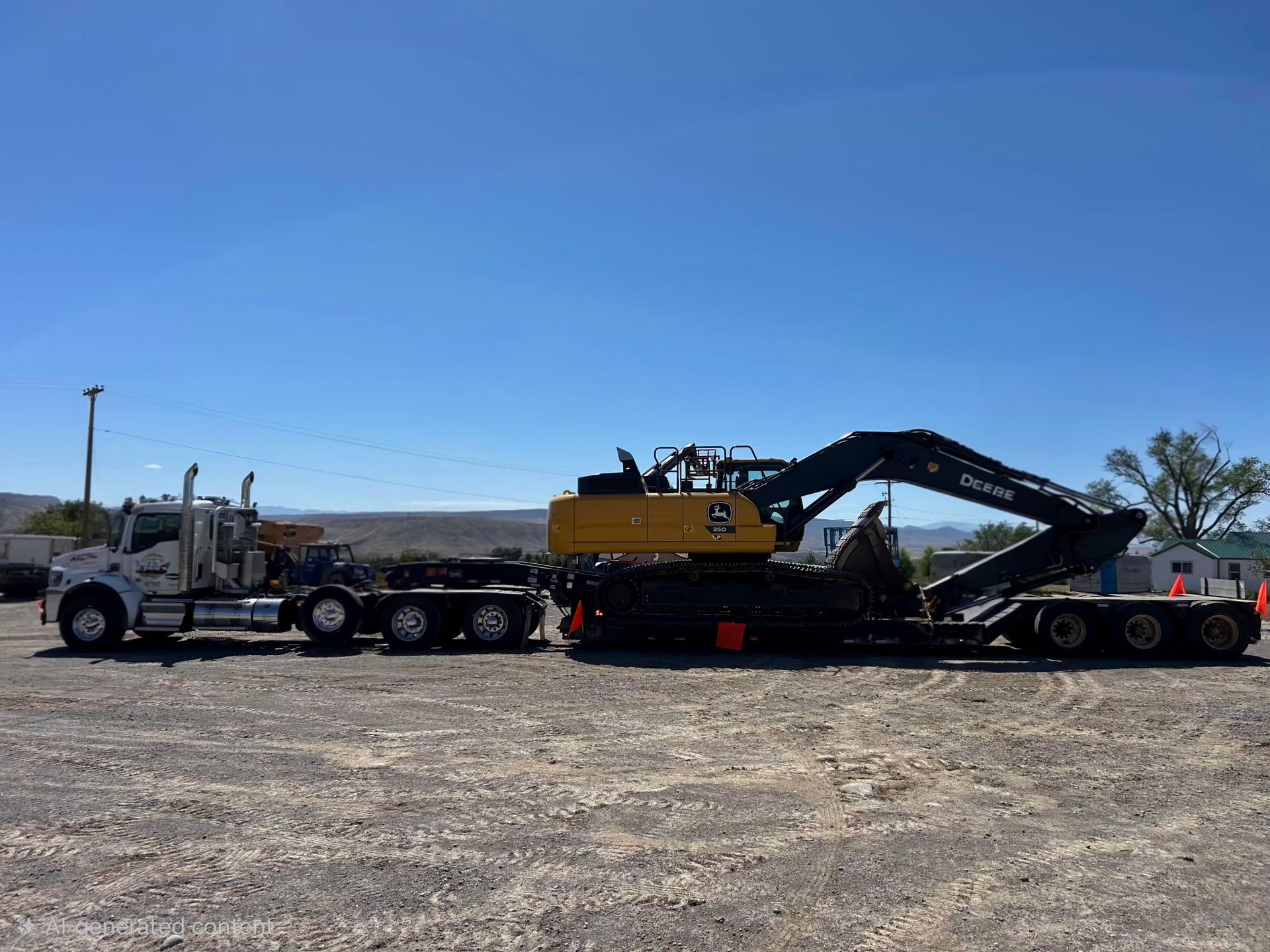
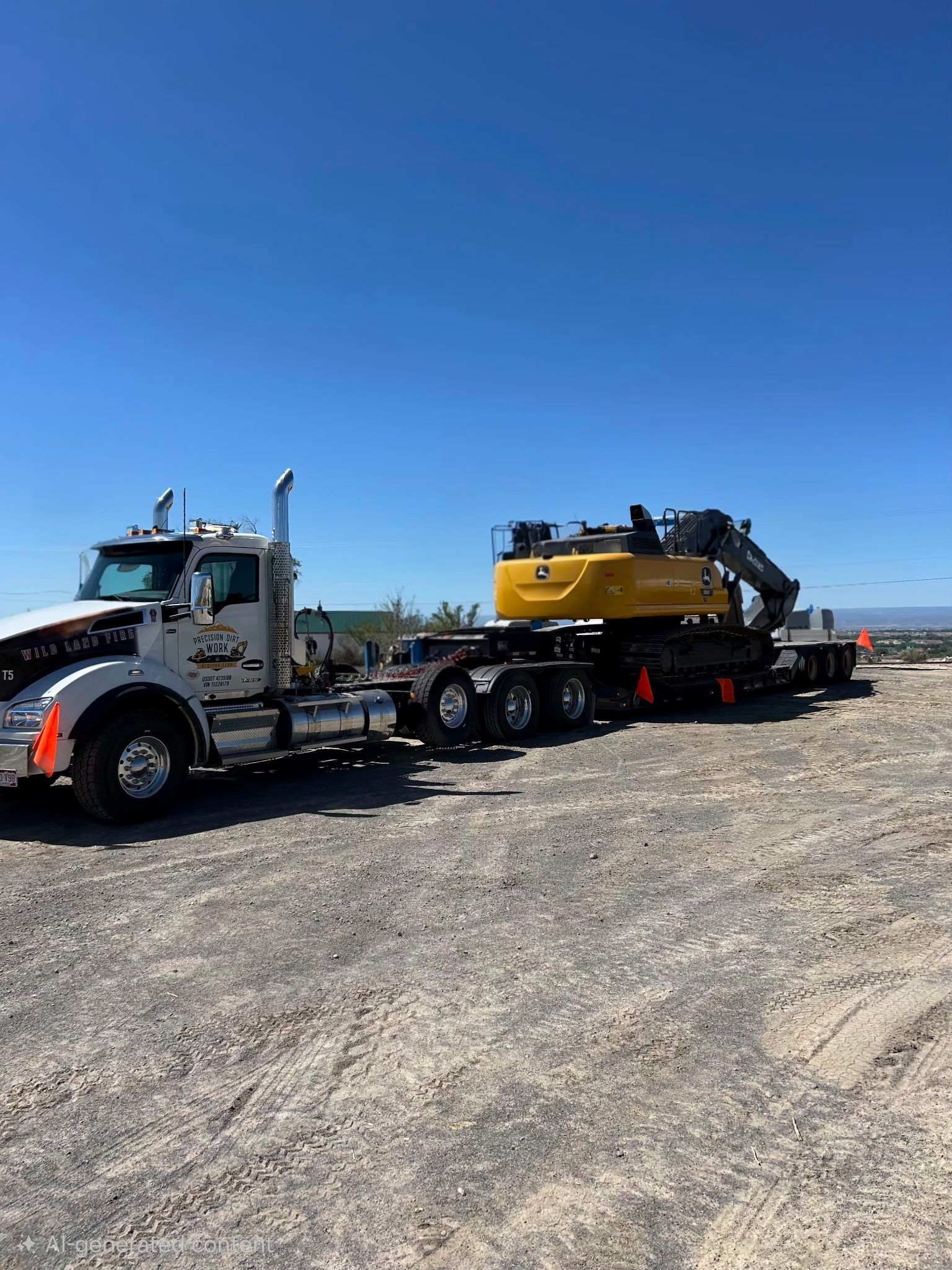
Excavators that exceed standard weight limits, dozers with tracks wider than highway lanes, and crane components that require permit coordination all need transport methods designed around their specific dimensions and weight distribution. Precision Dirt Work handles heavy haul and equipment transport across Montrose and the surrounding Western Slope region, moving machinery that standard flatbed services can't accommodate. The work involves load securement systems rated for equipment weight, trailer configurations that distribute mass according to axle regulations, and route planning that accounts for bridge clearances and road width restrictions.
Heavy haul transport addresses the gap between what conventional trucking can legally move and what construction sites actually require. Equipment like excavators, loaders, graders, and specialized agricultural machinery often exceeds the 80,000-pound gross vehicle weight limit for standard commercial vehicles, requiring permits, escort vehicles, and trailers engineered for concentrated loads. The process also involves evaluating ground conditions at pickup and delivery sites, since heavy equipment needs stable surfaces for loading and unloading without trailer tipping or ground failure.
Schedule a transport consultation to review equipment dimensions, weight specifications, and site access conditions.
What Proper Heavy Haul Transport Requires
The transport process begins with equipment measurement and weight verification, determining which trailer configuration matches the load profile. Lowboy trailers accommodate tall equipment by dropping the deck height between the axles, while removable gooseneck trailers allow ground-level loading for tracked equipment that can drive onto the deck under its own power. Chain binders, ratchet straps rated for the equipment weight, and blocking materials secure the load and prevent shifting during transit, with attachment points selected based on the equipment's center of gravity and frame strength.
Once the equipment reaches its destination, you'll notice machinery positioned exactly where site plans require it, without ground disturbance from failed loading attempts or equipment that arrived damaged from inadequate securement. Tracks, hydraulic cylinders, and operator cabs remain intact because the transport method anticipated road vibration, turning forces, and weight transfer during braking. Equipment arrives ready for immediate operation rather than requiring repairs before the job begins.
Montrose's terrain adds complexity to heavy haul work, particularly when routes involve mountain passes with grade changes that affect braking distance and load stability. Permit requirements vary depending on whether transport stays within county roads or crosses state highways, and some routes require coordination with utility companies for temporary line raising when equipment height exceeds clearance limits. Winter conditions may restrict certain routes entirely, requiring alternative paths that add distance but maintain safety margins for oversized loads.
Questions Property Owners and Contractors Ask
Heavy equipment transport in Montrose involves considerations specific to both the machinery being moved and the roads used to reach construction sites throughout the region.
- What information do you need before transport can be scheduled? Equipment weight, dimensions including any attachments, pickup and delivery addresses, and whether the equipment is operational for self-loading. Non-running equipment requires different loading methods and may need additional equipment on-site for positioning.
- How does route planning account for Montrose road conditions? Routes are evaluated for bridge weight ratings, overhead clearances including power lines, road width at curves and intersections, and seasonal restrictions. Some county roads prohibit heavy loads during spring thaw periods when pavement damage risk increases.
- What happens if equipment dimensions require permits? Oversize and overweight permits are obtained before transport begins, specifying the exact route, travel times, and any required escort vehicles. Permits typically take several business days to process, and some require additional fees for weekend or after-hours travel.
- How is equipment secured for transport over variable terrain? Securement involves multiple attachment points using chains or straps rated above the equipment weight, with blocking materials preventing lateral movement. The system is inspected after the first few miles and again midway through longer hauls to verify nothing has shifted.
- What site conditions affect loading and unloading? The ground must support the combined weight of the loaded trailer without rutting or sinking, typically requiring compacted surfaces or ground protection mats. Sites need sufficient turning radius for trailer access and clearance from overhead utilities or structures that could interfere with tall equipment.
Precision Dirt Work coordinates transport logistics from initial measurements through final equipment placement, handling permit applications and route planning based on specific load requirements. Contact us to arrange transport for equipment that standard hauling services can't accommodate safely.